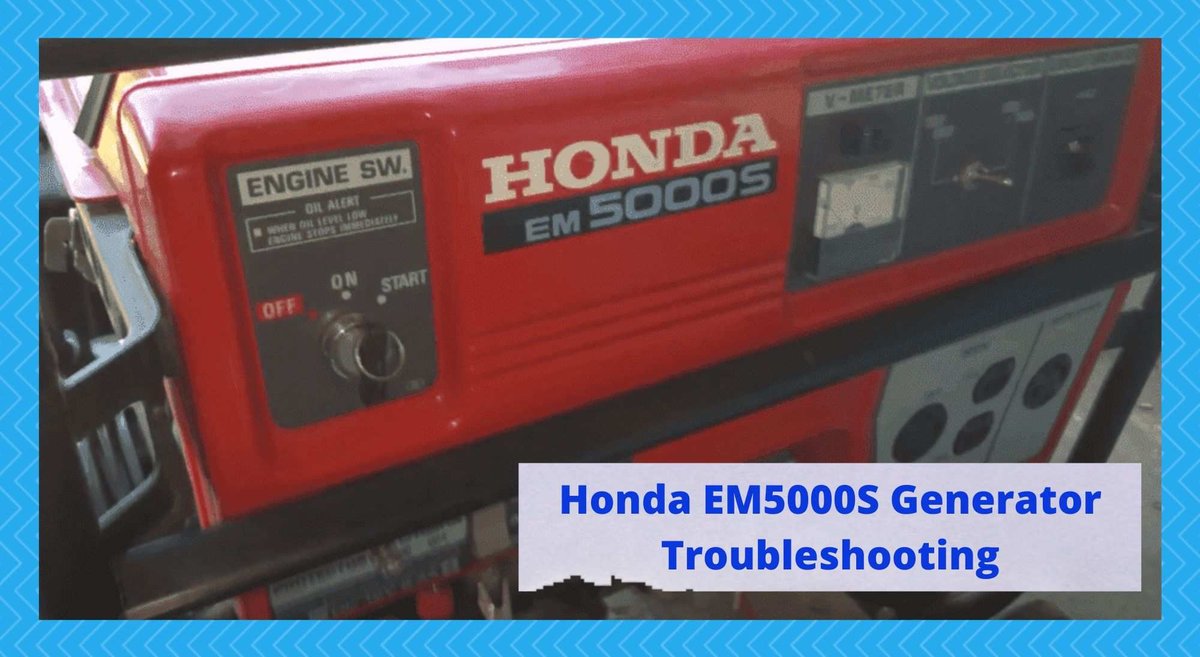
Even the most dependable machines occasionally need a little attention. Your Honda 5000W generator, a true workhorse known for its reliability, is no exception. While these powerhouses are designed for endurance, encountering a hiccup or two is a normal part of generator ownership. This comprehensive guide isn't just a list of problems; it's your go-to resource for understanding, diagnosing, and confidently resolving common issues, keeping your power flowing when it matters most. We'll demystify the mechanics, empower you with practical fixes, and show you how consistent care can prevent most headaches altogether.
At a Glance: Your Troubleshooting Toolkit
- Safety First: Always disconnect the spark plug and allow the generator to cool before inspecting or working on it.
- The Big Three: Most starting problems boil down to issues with Fuel, Air, or Spark. Check these first.
- Fresh Fuel is Key: Old or contaminated fuel is a common culprit for many performance issues.
- Maintain Regularly: Simple checks like oil levels, air filter cleanliness, and spark plug condition prevent major breakdowns.
- Listen & Observe: Unusual noises, leaks, or performance drops are your generator's way of telling you something's wrong.
- Know Your Limits: Don't hesitate to call a certified professional for complex or persistent problems.
Safety First, Always
Before you even think about lifting a wrench or peeking under the hood, remember: safety is paramount. Working with generators involves fuel, electricity, and moving parts, so a moment of carelessness can have serious consequences.
- Read Your Manual: This isn't just a suggestion; it's your generator's blueprint. Familiarize yourself with its specific safety instructions and operational guidelines.
- Gear Up: Always wear protective gloves and safety glasses to shield against cuts, splashes, or debris.
- Stable Grounding: Position your generator on a stable, level surface, away from any flammable materials. Ensure it's properly grounded according to the manufacturer's instructions to prevent electrical shock.
- Stay Dry: Never operate or service your generator in wet conditions or while standing in water.
- Cool Down & Disconnect: Before any inspection or repair, turn off the generator, allow the engine to cool completely, and crucially, remove the spark plug wire to prevent accidental starting.
- Ventilation is Vital: Only operate generators outdoors in a well-ventilated area to avoid carbon monoxide poisoning. Store it in a dry, well-ventilated space, too.
The Unsung Hero: Why Honda 5000W Generators Are Generally Stellar
Honda generators have earned their reputation as industry leaders for a reason: they're incredibly reliable, durable, and engineered for performance. The 5000W models, in particular, strike a fantastic balance between power output and portability, making them favorites for job sites, emergency backup, and outdoor adventures. Their robust engines, often featuring advanced technologies like automatic voltage regulation (AVR), are designed to start consistently and run smoothly for years with proper care. This inherent quality means that many issues you'll encounter are often minor, stemming from common maintenance oversights rather than fundamental design flaws. When problems do arise, a systematic approach to troubleshooting, coupled with regular maintenance, is usually all it takes to get your reliable Honda unit back in peak condition. For those looking to dive deeper into the capabilities and features of these impressive machines, you might want to Explore the Honda 5000 generator.
When Your Honda 5000W Generator Acts Up: Common Roadblocks & Fixes
Even with Honda's legendary reliability, problems can crop up. Here's how to tackle the most frequent issues, turning frustration into confidence.
1. Generator Won't Start / Trouble Starting
This is perhaps the most common and frustrating issue. When your generator refuses to roar to life, it usually points to a problem with one of the "Big Three": fuel, air, or spark.
No Turn Over (Engine Doesn't Crank)
If you pull the starter cord or push the electric start button and nothing happens—no engine sound, just silence or a weak click—start here:
- Manual Start Check (Recoil Starter):
- Is it stuck? Ensure the recoil starter handle pulls out smoothly and retracts properly. If it feels jammed, the engine might be hydrolocked (too much fuel/oil in the cylinder), or a internal mechanical issue could be present.
- Electric Start Checks (If Equipped):
- Battery Charge: Is your battery dead? Many generators won't start if the battery is depleted. Check the charge level and recharge if necessary.
- Battery Connections & Terminals: Inspect the battery terminals for corrosion. Clean them with a wire brush if you see a white or green powdery buildup. Ensure all battery cables are securely connected.
- Ignition Switch: Test the ignition switch for proper function. Sometimes it can become faulty.
- Starter Solenoid: This acts as a relay for the starter motor. If you hear a click but no crank, the solenoid might be faulty, or the battery might still be too weak to engage it fully.
Turns Over But Doesn't Start (Engine Cranks But Won't Catch)
The engine is turning, but it's not igniting. This is where the "Big Three" come into play. - A. Fuel System Issues: The engine needs a consistent supply of clean, fresh fuel.
- Empty Tank: This sounds obvious, but double-check!
- Old or Bad Fuel: Fuel degrades over time, especially with ethanol blends, causing gum and varnish in the fuel system. If your generator has sat for more than a month with fuel in it, drain the tank and carburetor, then refill with fresh, unleaded gasoline (avoiding fuel with more than 10% ethanol). Use a fuel stabilizer if you plan to store it.
- Incorrect Choke Position: For a cold start, the choke lever should be in the "closed" (often labeled "choke") position to enrich the fuel mixture. Once the engine starts and warms up, gradually move it to the "off/run" (open) position. A generator trying to start with the choke off when cold, or on when warm, will struggle. Check the choke linkage to ensure it's moving freely.
- Clogged Fuel Lines: Over time, debris or stale fuel deposits can clog the lines. With the generator off and cool, trace the fuel lines from the tank to the carburetor. Disconnect them carefully and check for obstructions. Compressed air can often clear minor clogs. Replace any lines that appear cracked, dry-rotted, or severely kinked.
- Plugged Fuel Filter: This small filter prevents debris from entering the carburetor. If it's clogged, fuel flow will be restricted. Replace it according to your manual's recommendations, usually annually or every 100 hours of use.
- Dirty Carburetor: The carburetor mixes air and fuel. Stale fuel is notorious for leaving sticky varnish and deposits that clog tiny passages. This is a common cause of starting issues. You might need to clean the carburetor (using carburetor cleaner spray and small wires for jets) or, if severely clogged, replace it.
- Bad Fuel Tank Vent/Cap: The fuel tank needs to vent to allow fuel to flow. If the vent in the cap or the cap itself is clogged, it can create a vacuum, starving the engine of fuel. Try loosening the fuel cap slightly (but securely) and attempt to start. If it starts, you likely have a vent issue.
- B. Air System Issues: Engines need clean air to combust fuel efficiently.
- Dirty Air Filter: A clogged air filter restricts airflow, leading to a rich fuel mixture that prevents starting. Inspect the filter; if it's dirty, clean it with soap and water (foam filters) or replace it (paper filters).
- C. Spark System Issues: No spark, no combustion.
- Bad Spark Plug: A dirty, fouled, or improperly gapped spark plug won't ignite the fuel. Remove the spark plug, inspect its tip for carbon buildup or damage, and clean it with a wire brush or replace it. Ensure the gap is set correctly using a feeler gauge (consult your manual for the exact specification) and that the connection to the ignition coil wire is secure.
- Faulty Ignition Coil: The ignition coil generates the high voltage needed for the spark plug. If it's failing, no spark will occur. Testing an ignition coil typically requires a multimeter and some technical know-how to check for continuity. If it's faulty, it will need replacement.
- D. Other Common Starting Hurdles:
- Low Engine Oil: Many Honda generators are equipped with a low-oil sensor that prevents the engine from starting to protect it from damage. Ensure the generator is on a level surface and check the oil dipstick. Add the recommended type and amount of oil until it reaches the "full" mark.
Quick Start Guide for Your Honda Generator (Refresher):
- Fuel On: Turn the fuel valve to the "ON" position.
- Choke Set: For a cold engine, move the choke lever to the "CLOSED" position.
- Engine Switch ON: Turn the engine switch (or ignition switch) to the "ON" position.
- Pull Briskly: Pull the starter grip lightly until you feel resistance, then give it a firm, brisk pull.
- Adjust Choke: As the engine warms up, gradually move the choke lever to the "OFF" (run) position.
2. Generator Starts and Then Dies
This frustrating scenario often shares root causes with "won't start" issues, as a problem that allows a momentary ignition but not sustained operation.
- Old/Bad Fuel: As before, stale fuel might allow a momentary cough but can't sustain consistent combustion due to gumming up the system. Drain and refill with fresh fuel, considering a fuel additive like Sea Foam for cleaning.
- Dirty Fuel Filter/Lines/Carburetor: Any restriction in the fuel delivery can cause the engine to sputter and die once the initial fuel charge is consumed. Inspect and clean/replace as detailed in the "Won't Start" section.
- Clogged Fuel Tank Vent/Bad Gas Cap: If the tank can't vent, a vacuum will form, starving the engine of fuel as it runs. Try loosening the gas cap (but keeping it securely on) to see if it makes a difference. Replace the cap if the vent is clogged.
- Plugged Air Filter: Similar to fuel restrictions, a severely clogged air filter can choke the engine, especially under varying loads. Clean or replace it.
- Plugged Spark Arrestor: The spark arrestor is a small screen in the muffler designed to prevent sparks from exiting. Over time, it can become clogged with carbon buildup, restricting exhaust flow and causing the engine to bog down and die. Remove the muffler's cover, take out the screen, and clean it thoroughly with a wire brush or solvent.
- Dirty Spark Plug/Faulty Ignition Coil: A weak or intermittent spark can lead to inconsistent running and stalling. Clean or replace the spark plug and test the ignition coil.
- Low Engine Oil: The low-oil sensor can also shut down a running engine to prevent catastrophic damage. Check the oil level and add the correct type and amount of oil.
3. Inconsistent Power Output / Bogs Down Under Load
Your generator starts, runs, but can't handle its usual tasks, or the power fluctuates wildly.
- Overloading: This is a common mistake. Connecting too many appliances or devices that draw more power than the generator's rated capacity will cause it to struggle, bog down, or even trip a circuit breaker. Always check your generator’s wattage capacity and ensure your total load doesn't exceed 80% of its running watts for continuous use. Reduce the electrical load and reset the circuit breaker if an overload alarm sounds.
- Incorrect Voltage Selector: Some larger generators have a voltage selector switch (e.g., 120V or 240V). Ensure it's set correctly for the load you're trying to power.
- Loose/Damaged Wiring: Vibrations or wear can cause wires to loosen or become frayed. Inspect all visible wiring for damage, loose connections, or burnt spots. Tighten any loose connections and repair or replace damaged sections.
- Low Engine Oil: As mentioned, low oil can cause the engine to run poorly or shut down. Check and refill.
- Dirty Spark Plug: A fouled spark plug can lead to misfires and inefficient combustion, reducing power output. Clean or replace it.
- Bad/Old Fuel: Stale fuel leads to poor combustion, robbing your generator of power. Drain and refill with fresh fuel, perhaps adding a fuel additive designed to clean the system.
- Dirty Fuel Filter/Air Filter: Restrictions in fuel or air supply directly impact an engine's ability to produce power. Replace or clean these filters.
- Incorrect Choke Setting: If the choke is still partially engaged (not fully "off/open") after the engine has warmed up, it will run "rich," causing it to bog down.
- Plugged Spark Arrestor: Restricted exhaust flow will severely limit the engine's power. Clean the screen.
- Dirty Carburetor: Varnish and debris in the carburetor's jets and passages prevent proper fuel-air mixture, leading to inconsistent power and stalling under load. Clean the carburetor components or replace if internal damage is suspected.
4. Leaking Gas
Fuel leaks are not just messy; they're a significant fire hazard. Address them immediately.
- Carburetor Leaks: Often, the float bowl gasket can fail, or the float valve itself can stick open, causing fuel to overflow. Clean the carburetor, inspect the gasket, and replace any damaged components.
- Fuel Filter Leaks: Plastic fuel filters can degrade or crack at their seams over time. Replace the fuel filter.
- Fuel Tank Leaks: Metal tanks can rust through, especially at seams or low points. Poly (plastic) tanks can develop cracks or leaks at fitting points. Depending on the severity, the tank may need repair or replacement.
- Fuel Shut-off Valve Leaks: The valve that controls fuel flow can wear out or develop leaks. Replace the entire shut-off valve if it's leaking.
- Fuel Lines: Over time, rubber or plastic fuel lines become dry, brittle, and cracked, especially near connections or bends. Inspect all lines carefully and replace any that show signs of cracking or hardening. Ensure all hose clamps are secure and tight.
Emergency Protocol for Fuel Leaks: If you detect a significant fuel leak, immediately shut down the generator. Clear the area of any potential ignition sources (sparks, open flames, hot surfaces). Ventilate the area thoroughly. If the leak is uncontrollable or large, contact emergency services for assistance.
5. Overheating
An overheating engine is a sign of serious trouble and needs immediate attention to prevent severe internal damage.
- Low Coolant Level (if liquid-cooled): While many Honda 5000W generators are air-cooled, some higher-end models or specific variants might have a liquid cooling system. If yours does, ensure the coolant reservoir is filled to the correct level.
- Dirty Radiator (if liquid-cooled): A clogged radiator will prevent proper heat dissipation. Inspect and clean the radiator fins to ensure they are free of dirt, debris, or insect buildup.
- Faulty Cooling Fan: For both air and liquid-cooled engines, a cooling fan circulates air. Verify that the fan is working correctly and not obstructed.
- Low Engine Oil Level: Oil not only lubricates but also helps cool the engine. A low oil level can contribute significantly to overheating. Check and refill the engine oil.
- Operating in Confined Spaces: Running a generator in a tight space without adequate airflow can trap heat, causing it to overheat. Always operate outdoors with plenty of clearance around the unit.
6. Unusual Noises / Vibrations
Your generator should run with a consistent hum. Any new or strange sounds are red flags.
- Loose Parts: Vibration can loosen bolts, screws, and panels over time. Listen carefully to pinpoint the source of the noise and then visually inspect and tighten any loose parts.
- Engine Knocking: A metallic knocking sound can indicate serious internal engine problems, often related to low oil, poor fuel quality, or worn bearings. Immediately check and refill oil with the correct type, and ensure you're using fresh, high-quality fuel. If knocking persists, cease operation.
- Strange Vibrations: Excessive vibration can stem from unbalanced components, worn engine mounts, or loose parts. Inspect the mounting bolts that secure the engine to the frame.
- Worn-Out Parts: Squealing, grinding, or rattling can signify worn bearings (e.g., in the alternator or engine), loose exhaust components, or other internal wear. Identifying these often requires careful listening and sometimes partial disassembly. Worn parts should be replaced promptly to prevent cascading damage.
Beyond the Fix: Essential Regular Maintenance for Longevity
Prevention is always better than cure. Consistent, simple maintenance will drastically extend your Honda 5000W generator's life and ensure it's ready when you need it.
- Routine Inspections: Make it a habit to visually inspect your generator before and after each use. Look for loose parts, fuel or oil leaks, frayed wires, or any signs of damage.
- Air Filter Health: A clean air filter is crucial for efficient engine operation. Inspect it regularly (more often in dusty conditions) and clean or replace it according to your owner's manual.
- Engine Oil Checks & Changes: Check your oil level before each use, and change the oil at the intervals specified in your manual (typically every 50-100 hours or at least once a year). Use the recommended type of oil.
- Spark Plug Care: Inspect the spark plug periodically for wear, carbon buildup, or damage. Clean it with a wire brush or replace it as needed, ensuring the correct gap.
- Fuel System Vigilance: Regularly inspect fuel lines for cracks or leaks. Keep the fuel tank clean and always use fresh fuel. If storing the generator for more than 30 days, drain the fuel system or use a high-quality fuel stabilizer.
- Cleanliness Matters: Wipe down the exterior of your generator after use with a damp cloth to remove dirt and grime, preventing corrosion and keeping cooling fins clear.
DIY Part Replacement: A Step-by-Step Guide
For many common issues, replacing a faulty part yourself can save time and money. Here's how to approach it confidently:
- Identify the Exact Part: Your Honda generator's user manual is invaluable here. It contains diagrams and part numbers. You can also often find these online by searching your generator's specific model number. Accuracy is key to getting the right fit.
- Source Genuine Parts: For critical components, especially, always prioritize genuine Honda parts. You can find these on Honda’s official website, through authorized Honda dealers, or trusted online retailers specializing in genuine small engine parts. While aftermarket options exist, genuine parts offer assured compatibility and quality.
- Prepare Your Workspace: Before you begin, turn off the generator, remove the spark plug wire, and allow the engine to cool completely. Gather all necessary tools—a basic set of screwdrivers, wrenches, sockets, and pliers will usually suffice. Have a clean work surface and containers for small parts.
- Install with Care:
- Document: Before removing the old part, take photos or videos of its connections and orientation. This is invaluable for reassembly.
- Remove Old Part: Carefully follow the manual's instructions for removal. Be gentle with old or brittle components.
- Install New Part: Place the new part, ensuring it fits snugly and all connections (hoses, wires, bolts) are secure. Double-check that no wires are pinched or hoses kinked.
- Test Thoroughly: Once everything is reassembled, double-check all connections, screws, and bolts to ensure they are tight. Reconnect the spark plug wire. Start the generator and test the new part, listening for any unusual noises or observing its performance. Keep an eye out for leaks or warning lights.
Knowing When to Call in the Pros: Identifying Complex Issues
While many generator problems are solvable with a bit of DIY spirit, some issues are best left to certified professionals. Knowing when to call in an expert can save you from costly mistakes or dangerous situations.
- Persistent Engine Problems: If your generator consistently fails to start, runs erratically, or shuts down despite your best troubleshooting efforts, it might indicate deeper engine issues that require specialized diagnostic tools and expertise.
- Electrical Issues: Problems with power output, circuit breakers repeatedly tripping without overloading, or internal wiring complications can be complex and potentially dangerous. Electrical work on generators should ideally be handled by a qualified technician to ensure safety and proper function.
- Major Fuel System Issues: While minor fuel leaks are often DIY-friendly, significant or uncontrollable fuel leaks, or persistent issues with fuel delivery that you can't resolve (e.g., after cleaning the carburetor), warrant professional attention due to safety concerns and system complexity.
- Unusual Noises from Internal Components: Grinding, knocking, or other severe noises from within the engine or alternator often signal internal wear or damage that requires specialized tools and knowledge to diagnose and repair.
- Safety Concerns: If you feel uncomfortable or unsafe performing a repair, or if you suspect an issue poses a fire or electrical hazard, stop immediately and call a professional.
Choosing a Service Center: - Credentials: Always look for a service center that is authorized by Honda for generator repair. This ensures technicians are trained specifically on Honda equipment and use genuine parts.
- Reviews and Reputation: Check online reviews and ask for recommendations from other generator owners. A reputable center will have positive feedback.
- Cost Estimates: Get a clear, written quote for diagnostics and repairs before any work begins. Compare quotes from different authorized centers if possible.
- Warranty on Repairs: Ask about the warranty offered on parts and labor for any repairs performed.
Keeping Your Power Flowing: Final Thoughts & Pro Tips
Your Honda 5000W generator is a powerful investment designed to serve you faithfully. By understanding its common quirks, diligently performing regular maintenance, and knowing when to seek expert help, you're not just fixing problems—you're ensuring reliable power for years to come. Remember, fresh fuel, clean filters, and proper oil levels are your generator's best friends. A little proactive care goes a long way in preventing headaches and ensuring your generator is always ready to step up when the lights go out.