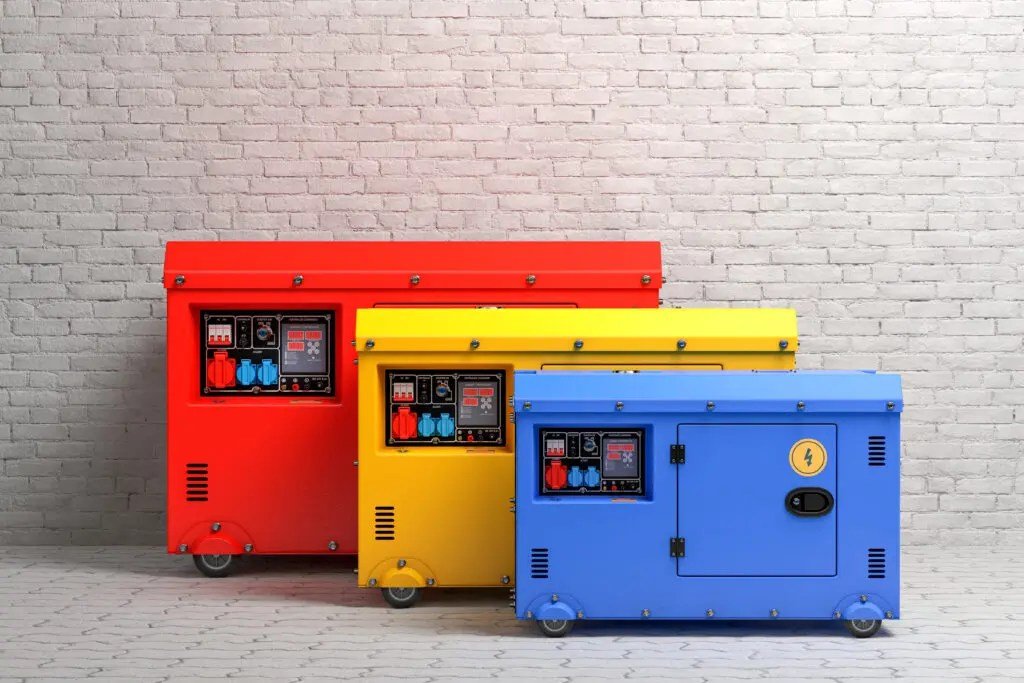
When the lights go out, or when you need robust portable power for a demanding project, a 5000-watt generator often steps up as the unsung hero. It hits that sweet spot, offering enough juice to keep critical home appliances running during an outage or tackle serious tasks at a job site, all while remaining relatively portable. But harnessing this power effectively, and safely, requires a clear understanding of what a 5000-watt unit can truly do and how to operate it correctly.
Consider this your definitive guide, crafted to demystify everything from calculating your power needs to ensuring safe operation and long-term maintenance. We’ll cut through the jargon and get straight to the practical insights you need to make the most of your generator.
At a Glance: Key Takeaways for Your 5000-Watt Generator
- Balance of Power & Portability: 5000-watt generators are a popular choice for their versatile output.
- Running vs. Starting Watts: Always account for both—running watts for continuous power, starting watts for momentary surges from motor-driven devices.
- 80% Rule: Operate your generator at no more than 80% of its continuous capacity for optimal performance and longevity.
- Conventional vs. Inverter: Choose conventional for raw power and lower cost, inverter for quiet operation, fuel efficiency, and sensitive electronics.
- Fuel Matters: Gasoline offers higher power but short shelf life; propane has indefinite shelf life but reduces power. Dual-fuel offers flexibility.
- Outdoor Operation ONLY: Generators produce deadly carbon monoxide; never run indoors or near windows/vents.
- Safe Connections: Use a manual transfer switch for home backup to prevent dangerous backfeeding.
- Regular Maintenance: Crucial for reliability; stable fuel, oil changes, and clean filters keep it ready.
Understanding the Heart of the Matter: What 5000 Watts Really Means
The "5000 watts" figure you see emblazoned on a generator's casing isn't just a single, static number. It's a snapshot of its capacity, encompassing both its steady output and its ability to handle sudden power demands. Grasping the difference between running watts and starting watts is foundational to making informed decisions about what you can power.
Running Watts vs. Starting Watts: The Power Story
Every appliance draws a certain amount of power to operate continuously – this is its running wattage. Think of your refrigerator humming along or a lamp staying lit. These devices have a consistent power appetite.
However, many motor-driven appliances, like refrigerators, air conditioners, or power tools, need a significant burst of extra power for a split second when they first kick on. This momentary surge is called starting wattage (sometimes "peak" or "surge" watts). It can be two to three times higher than their running wattage. Once the motor gets going, the power demand drops back to the running wattage.
Your 5000-watt generator is rated for both. It can deliver a certain amount of continuous running watts, and for brief moments, it can handle a higher starting wattage to get things spinning. The key is to manage these two demands simultaneously.
Calculating Your Power Needs: The 80% Rule for Longevity
To figure out what your 5000-watt generator can reliably power, you'll need to do a little math. It's not just about summing up every running watt; you also have to factor in the highest single starting wattage among the motor-driven appliances you plan to use.
Here's the simple breakdown:
- List Your Essentials: Make a list of all the appliances and devices you absolutely need to run simultaneously.
- Find Running Watts: For each item, locate its running wattage (usually on a label or in the owner's manual). Sum all these running wattages.
- Identify the Biggest Starter: From your list, find the motor-driven appliance with the highest starting wattage. (Remember, you only add the single highest starting wattage, not all of them, because they typically don't all start at the exact same moment.)
- Total Required Watts: Add the total running watts to the highest single starting wattage. This is your target load.
Example:
Let's say you want to run:
- Refrigerator: 600 running watts, 1200 starting watts
- Furnace Fan: 700 running watts, 1400 starting watts
- Several Lights: 300 running watts (no starting watts)
- TV: 200 running watts (no starting watts)
Your calculation would look like this: - Total Running Watts: 600 (fridge) + 700 (furnace) + 300 (lights) + 200 (TV) = 1800 running watts
- Highest Single Starting Wattage: The furnace fan's 1400 watts is higher than the fridge's 1200 watts. So, 1400 starting watts.
- Estimated Load: 1800 (running) + 1400 (starting) = 3200 watts.
Now, for the crucial part: operate your generator at no more than 80% of its maximum continuous capacity. This "80% rule" isn't arbitrary. It ensures your generator runs efficiently, prolongs its lifespan, prevents overheating, and provides a stable power supply. For a 5000-watt generator, this means aiming for a continuous load of around 4000 watts.
In our example, a 3200-watt load falls well within the 4000-watt operating sweet spot for a 5000-watt generator, leaving you with a comfortable margin.
Choosing Your Power Partner: Conventional vs. Inverter Generators
Not all 5000-watt generators are created equal. The two main types—conventional and inverter—offer distinct advantages and disadvantages, primarily impacting noise levels, fuel efficiency, and the quality of power they produce.
The Conventional Workhorse: Raw Power on a Budget
Conventional generators are what most people picture: a sturdy frame, an exposed engine, and a pull-cord start.
- Pros:
- Affordability: Generally less expensive to purchase than inverter models of comparable power.
- Raw Power: Excellent for powering heavy-duty tools or multiple appliances where noise and precise power quality aren't the top concerns.
- Cons:
- Noise: They tend to be significantly louder, often operating in the 74-78 dB range, which can be disruptive.
- Fuel Efficiency: Less fuel-efficient because their engines run at a constant high RPM, regardless of the power demand.
- Power Quality: May not produce a pure sine wave, which can be detrimental to sensitive electronics like laptops, smartphones, or certain medical devices. Fluctuations in power can potentially damage their delicate components.
The Quiet Innovator: Precision and Efficiency
Inverter generators represent a more modern approach to portable power. They convert raw DC power into AC power through a sophisticated electronic process, which allows for greater control.
- Pros:
- Quiet Operation: Much quieter, typically ranging from 52-65 dB, making them ideal for residential use, camping, or situations where noise pollution is a concern.
- Fuel Efficiency: Highly fuel-efficient due to their variable engine speed. The engine only revs as high as necessary to meet the power demand, saving fuel.
- Pure Sine Wave: They produce high-quality, stable, pure sine wave power, making them safe for all sensitive electronics.
- Portability: Often lighter and more compact than conventional models, though a 5000-watt unit will still have some heft.
- Cons:
- Higher Cost: Their advanced technology comes with a steeper price tag.
- Complex Maintenance: While generally reliable, their electronic components can be more complex if repairs are needed.
Which One is Right for You?
Your choice between a conventional and an inverter 5000-watt generator boils down to your primary use case:
- If you mainly need to power basic household appliances, power tools, or construction equipment, and noise isn't a critical factor, a conventional generator might be your more economical choice.
- If you prioritize quiet operation, fuel efficiency, and the ability to safely power sensitive electronics (think home office equipment, entertainment systems, or even some advanced kitchen gadgets), an inverter generator is the superior, albeit pricier, option.
You might also consider looking at specific models. For instance, a Honda 5000 generator guide often highlights the benefits of inverter technology and robust construction, providing a good benchmark for what to expect in terms of quality and performance.
Fueling Your Generator: Gasoline, Propane, and Dual-Fuel Options
The type of fuel your 5000-watt generator uses significantly impacts its performance, shelf life, and convenience. Most generators run on gasoline, but propane (LP) and dual-fuel options are increasingly popular.
The Gasoline Standard: High Power, Short Shelf Life
Gasoline generators are the most common type.
- Pros:
- Higher Power Output: Gasoline typically offers the highest power output for a given engine size compared to propane.
- Readily Available: Gasoline is easy to find at almost any gas station.
- Cons:
- Degradation: Gasoline degrades relatively quickly, often within 30 days, becoming stale and potentially gumming up the carburetor if not stabilized.
- Flammability: Highly flammable and requires careful storage.
- Emissions: Produces more emissions than propane.
To combat degradation, always use a fuel stabilizer if you plan to store gasoline for more than a month, and run the engine periodically to circulate it.
The Propane Alternative: Indefinite Shelf Life, Lower Output
Liquid Propane (LP) generators use the same type of propane tanks you might use for a BBQ grill.
- Pros:
- Indefinite Shelf Life: Propane does not degrade over time, making it excellent for long-term storage and emergency preparedness.
- Cleaner Burning: Burns cleaner than gasoline, resulting in less engine residue and potentially longer engine life.
- Safer Storage: Propane tanks are sealed, reducing the risk of spills and strong odors.
- Cons:
- Reduced Power Output: Generators running on propane typically experience a 10% to 25% reduction in power output compared to running on gasoline. A 5000-watt generator on propane might only deliver 3750-4500 watts.
- Availability: While common, you might need more tanks than expected for extended use, and refueling can be less convenient than a quick trip to a gas station.
- Bulkier Storage: Propane tanks are bulky, limiting portability.
Dual-Fuel Flexibility: The Best of Both Worlds?
Many modern 5000-watt generators are dual-fuel models, meaning they can run on either gasoline or liquid propane.
- Pros:
- Ultimate Flexibility: Offers the high power of gasoline when needed and the long shelf life and cleaner burning of propane for extended storage or environmental considerations.
- Adaptability: You can switch between fuel types depending on availability or specific requirements.
- Cons:
- Higher Cost: Dual-fuel generators are typically more expensive than single-fuel models.
- Weight: Can be slightly heavier due to the additional fuel system components.
Choosing your fuel source involves weighing convenience, storage logistics, and the specific power demands of your Honda 5000 generator guide or other model.
Powering Your Home: Real-World Applications for a 5000-Watt Generator
A 5000-watt generator is remarkably versatile, capable of powering a substantial array of items crucial for comfort and safety during an outage, or serving as a robust power source for remote work and projects. Let's look at some common applications.
The Essentials: Keeping the Lights On & Food Cold
When the grid goes down, your immediate priorities are usually light, food preservation, and perhaps heat or water. A 5000-watt unit can comfortably handle these:
- Kitchen Staples:
- Refrigerator (600-700W): Keeps your food fresh.
- Freezer (500W): Protects frozen goods.
- Microwave (1000-1500W): Great for quick meals, though you'll want to avoid running it simultaneously with other high-draw appliances like a space heater.
- Electric Stove (2000-3000W): Crucially, you can typically run one burner at a time, but trying to operate multiple burners or the oven will almost certainly overload a 5000-watt generator. It requires careful load management.
- Comfort & Safety Basics:
- Furnace Fan (700W): Essential for circulating heat from a gas furnace (the furnace itself consumes very little electricity for ignition).
- Sump Pump (800W running, 1500W starting example): Critical for preventing basement flooding during heavy rain or snowmelt. Always factor in its starting surge.
- Multiple Lights (60W/bulb): Modern LED bulbs draw even less, allowing you to light several rooms.
- Ceiling Fans (75W/fan): Provides airflow and comfort without a massive power draw.
Comfort & Convenience: Beyond the Basics
With your essentials covered, a 5000-watt generator can also bring a significant level of normalcy and comfort:
- Space Heater (up to 1500W): Can warm a single room effectively. Be mindful, this is a high-draw item, so run it by itself or with very minimal other loads.
- Portable Air Conditioner (1200-1800W): Perfect for cooling a specific area. Again, treat it as a primary load due to its wattage.
- Televisions (100-400W) & Radios (10-100W): Keep you informed and entertained.
- Desktop Computers (200-500W) & Laptops (50-100W): Crucial for remote work or staying connected. If using an inverter generator, you won't need to worry about power quality for these sensitive electronics.
- Smartphone/Tablet Chargers (5-20W): Keeping your communication devices powered is non-negotiable.
Tools & Trades: Powering Your Projects
Beyond home backup, a 5000-watt generator excels as a portable power station for construction, DIY projects, or even events where grid power isn't available.
- Electric Drill (600W): For everyday tasks.
- Circular Saw (1400W): A common tool for many building projects.
- Jigsaw (600W): For more intricate cuts.
- Small to Medium Air Compressors (1500-2500W): Ideal for framing nailers, tire inflation, or operating various pneumatic tools. Remember to factor in their significant starting wattage.
Actionable Insight: Always check the specific wattage labels on your appliances before connecting them. These numbers can vary significantly between brands and models. Your generator's total available running watts, after accounting for the highest starting surge, will dictate what you can run simultaneously. Think of it as a power budget you need to carefully manage.
Safety First: Operating Your 5000-Watt Generator Without Compromise
Operating a generator safely is as critical as understanding its power capabilities. The risks of carbon monoxide (CO) poisoning, fire, and electrical shock are severe. Follow these guidelines meticulously to protect yourself, your family, and your property.
Location, Location, Location: Outdoors and Away From Your Home
This is the golden rule: Always operate your generator outdoors only. Never, under any circumstances, run it inside a home, garage, shed, carport, or any partially enclosed space. Even with open doors or windows, the risk of carbon monoxide accumulation is deadly.
- Maintain Distance: Position the generator at least 20 feet away from your home or any other building. This distance helps ensure that exhaust fumes dissipate safely and reduces fire risk.
- Exhaust Direction: Point the exhaust outlet away from all doors, windows, and vents. Carbon monoxide is an odorless, colorless, tasteless gas that can silently kill. Hot exhaust (temperatures can exceed 500°F) also poses a significant fire hazard to nearby combustible materials.
Consider investing in battery-operated carbon monoxide detectors for your home, even when operating a generator outdoors, as an extra layer of protection.
Connecting to Your Home: The Transfer Switch Imperative
Connecting a generator directly into a home's standard wall outlet (known as "backfeeding") is incredibly dangerous and illegal in most places.
- The Hazard of Backfeeding: Backfeeding can send electricity back into the utility grid, potentially electrocuting utility workers who are trying to restore power. It can also cause surges that damage your home's electrical system and appliances, and even start fires.
- The Safe Solution: To safely power your home's electrical system, you MUST use a manual transfer switch installed by a qualified electrician. This device isolates your home's electrical system from the utility grid before allowing generator power to flow in. It typically connects to a dedicated outdoor power inlet box, which is where you plug in your generator using a heavy-duty, appropriately rated generator cord.
- Consult a Professional: Always have a licensed electrician install your transfer switch and inlet box. This ensures compliance with local codes and proper, safe operation.
Grounding Your Power: A Stable Foundation
Proper grounding is a crucial safety measure for certain generator setups.
- Purpose of Grounding: Grounding prevents electrical shock by safely diverting excess electrical charge to the earth.
- When It's Needed: If your generator is providing power to a structure (like your home via a transfer switch) or if it's a "floating neutral" or "non-bonded neutral" model, it typically requires external grounding. Refer to your generator's owner's manual to determine if yours needs to be grounded. Most modern inverter generators are "bonded neutral" and do not require external grounding for casual use, but always verify.
- How to Ground: Grounding usually involves driving a copper ground rod at least eight feet into the ground and connecting it to the generator's grounding lug with heavy-gauge copper wire.
- Professional Advice: If you're unsure about grounding requirements, consult your generator's manual or a qualified electrician. It's a small step that provides critical protection.
Even with a well-maintained Honda 5000 generator guide, these safety protocols are non-negotiable.
Keeping It Ready: Essential Maintenance for Longevity
A generator is an investment in preparedness. Like any engine-driven machine, it requires regular maintenance to ensure it starts reliably and performs optimally when you need it most. Neglecting these steps can lead to frustrating breakdowns and costly repairs.
Pre-Use Checks: Before Every Startup
Before you even think about starting your 5000-watt generator, a few quick checks can prevent major headaches:
- Check Oil Level: Always verify the engine oil level using the dipstick. Low oil can cause severe engine damage. Top off if necessary with the manufacturer-recommended oil type.
- Inspect Fuel Level: Ensure you have enough fresh, stabilized fuel for your expected run time.
- Visual Inspection: Look for any visible damage, loose connections, or fuel leaks. A quick scan can catch potential problems before they escalate.
- Cleanliness: Ensure the generator is free of debris, dirt, and moisture. Clean cooling fins and air intakes are vital for preventing overheating.
Seasonal & Long-Term Care: Stabilizer, Oil, Filters
Beyond the immediate checks, a scheduled maintenance routine is key for long-term readiness:
- Fuel Storage for Gasoline: If storing gasoline in the generator for longer than 30 days, add a fuel stabilizer and run the generator for a few minutes to circulate the treated fuel throughout the system.
- Drying the Carburetor (for storage >30 days): After adding stabilizer and circulating it, shut off the fuel supply valve (if your generator has one) and let the engine run until it naturally stops from lack of fuel. This "dries out" the carburetor, preventing fuel from sitting and forming gummy deposits that can clog it.
- Annual Oil Change: Change the engine oil at least once a year, or after every 50-100 hours of use (check your manual for specific intervals). Fresh oil lubricates components and prevents premature wear.
- Air Filter Replacement: The air filter should be inspected regularly and replaced every 100 hours of use, or more frequently in dusty conditions. A dirty air filter starves the engine of air, reducing efficiency and power.
- Inspect the Fuel System: Periodically check fuel lines, connections, and the fuel tank for any signs of leaks or deterioration. Replace damaged components immediately.
- Clean and Dry Storage: Always store your generator in a safe, dry, and well-ventilated place, protected from the elements. Use a generator cover if available.
By adhering to a consistent maintenance schedule, your 5000-watt generator will be a reliable source of power for years to come, ready to perform when you need it most.
The Smart Way Forward: Actionable Tips for Maxing Out Your 5000W Generator
You've learned about wattage, types, fuel, safety, and maintenance. Now, let's bring it all together with actionable insights to truly master your 5000-watt generator experience.
Wattage Labels: Your Best Friend
Never assume. Always consult the appliance's label or manual for its precise running and starting wattage. These figures are your most accurate guide. Keep a compiled list of your essential items with their wattages near your generator for quick reference during an outage. This proactive step prevents guesswork and potential overloads.
Load Management: The Balancing Act
Think of your 5000-watt generator as a shared electrical pie. You can't take all the slices at once.
- Prioritize: Decide which appliances are truly critical and run them first.
- Stagger Starts: Don't turn on all motor-driven appliances at the same time. Staggering their starts allows the generator to handle one starting surge at a time, preventing an overload trip. For example, turn on the refrigerator, wait for it to stabilize, then start the furnace fan.
- Cycle High-Draw Items: If you need to run a high-wattage appliance like a microwave or a space heater, temporarily turn off other non-essential items to free up power. Once the high-draw item is done, you can switch other devices back on.
- Monitor: Some generators have built-in power meters or indicators. Pay attention to these to gauge your current load and avoid pushing the unit too hard.
Effective load management is the single biggest factor in preventing generator overloads and ensuring a stable power supply for your critical devices.
Investing in Preparedness: Beyond the Purchase
Owning a 5000-watt generator is a significant step in preparedness, but it's part of a larger ecosystem.
- Quality Accessories: Don't skimp on heavy-duty, outdoor-rated extension cords and generator cables. Using undersized or damaged cords can be a fire hazard and reduce power delivery.
- Carbon Monoxide Detectors: Install battery-operated CO detectors with digital readouts in your home, especially on every level and near sleeping areas. Test them regularly.
- Fuel Storage: Invest in approved fuel storage containers and, for gasoline, a quality fuel stabilizer. Store fuel in a cool, dry, well-ventilated area away from living spaces and heat sources.
- Practice Drills: Periodically, conduct a "power outage drill." Practice connecting your generator, starting it, and powering your essential appliances. This builds confidence and reveals any gaps in your plan before a real emergency strikes.
- Consult Experts: If you're planning a complex home backup solution, always consult with a licensed electrician to ensure your setup is safe and compliant with all local codes.
By thoughtfully planning and executing these steps, your 5000-watt generator won't just be a piece of equipment; it will be a reliable, empowering asset, ready to tackle any power challenge you face.